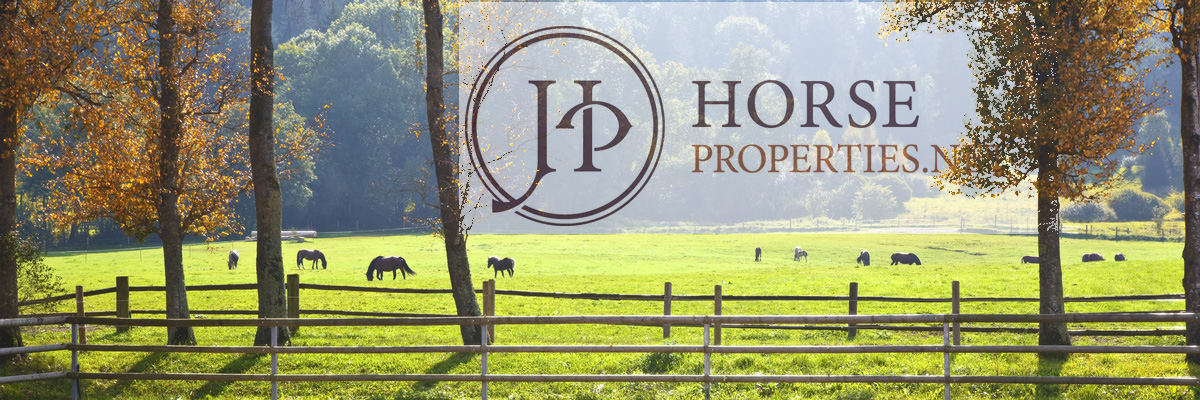
How Many Acres Do You Really Need for Your Horse?
One of the biggest questions people ask when buying horse property is: How much land do I actually need for my horse? Whether you’re dreaming of a small hobby farm or a sprawling equestrian estate, determining the right amount of acreage is one of the most important decisions you’ll make.
The answer might surprise you. While horses love having room to roam, you don’t necessarily need dozens of acres to keep them happy and healthy. The ideal amount of land depends on several factors, including the number of horses you own, pasture quality, climate, and how you plan to manage your property.
The General Rule: 1–2 Acres Per Horse
A commonly used starting guideline is 1–2 acres of usable pasture per horse. However, this is not a universal requirement, and some properties may need significantly more acreage.
For example:
- 1 horse: Approximately 1–2 acres of productive pasture
- 2 horses: Approximately 2–4 acres
- 3 horses: Approximately 3–6 acres
- 4 horses: Approximately 4–8 acres
These estimates assume reasonably productive, well-managed pasture. They do not include space needed for your home, barn, driveway, riding arena, or other structures.
In areas with lush grass and favorable growing conditions, horses may be able to graze on less land. In dry climates or regions with poor soil, considerably more acreage may be necessary to provide adequate forage.
Remember, acreage alone doesn’t determine whether a property is suitable for horses. Good pasture management is just as important as the amount of land you own.
Can You Keep a Horse on Just One Acre?
Yes! In some situations, a horse can live comfortably on a one-acre property, provided local zoning allows it and the property is managed appropriately.
However, there is a difference between having enough space to keep a horse and having enough pasture to feed a horse.
On smaller properties, owners often rely on hay rather than pasture grazing to meet their horses’ nutritional needs.
A smaller horse property may require:
- Regular manure removal
- Supplemental hay throughout the year
- A designated dry lot or sacrifice paddock
- Careful pasture maintenance
- Consistent exercise and turnout opportunities
Horses are social animals, so companionship is another important consideration. A single horse should have appropriate equine social contact, whether that means another horse or a compatible equine companion.
A well-managed small property can sometimes provide a better environment than a much larger property that is poorly maintained.
Pasture Quality Matters More Than You Think
Not all acres are created equal.
Five acres of lush, healthy pasture in Kentucky may support grazing very differently from five acres of dry, rocky land in Arizona.
Several factors influence how much grazing land your horse needs.
Climate: Areas with consistent rainfall and long growing seasons generally produce more grass than dry regions.
Soil quality: Healthy soil encourages stronger pasture growth and better forage production.
Grass varieties: Some pasture grasses are more productive and tolerant of grazing than others.
Drainage: Wet, muddy areas can reduce usable pasture and create hoof-health and maintenance problems.
Pasture management: Rotational grazing, mowing, soil testing, and appropriate fertilization can help keep grazing areas productive.
Before purchasing a horse property, consider having the pasture evaluated by a local agricultural extension office or equine pasture specialist.
Don’t Forget About Barns, Arenas, and Other Structures
When shopping for horse property, it’s easy to focus on the total acreage without considering how much land is actually available for your horses.
For example, a five-acre property might sound spacious, but once you account for the house, driveway, barn, riding arena, and other improvements, the usable pasture could be considerably smaller.
Think about the space you’ll need for:
- Barn and stalls: Housing, grooming, and storage
- Riding arena: Space for training and exercise
- Paddocks: Smaller turnout areas and dry lots
- Pastures: Grazing and room to move
- Hay and equipment storage: Space for tractors, trailers, and feed
- Access roads: Safe entry for vehicles, trailers, and deliveries
If you plan to build a riding arena, remember that a standard 100-by-200-foot arena alone occupies approximately 0.46 acres, before allowing for surrounding access, fencing, and drainage.
Careful planning can help you make the most of a smaller property.
Is Five Acres Enough for a Horse Farm?
For many horse owners, five acres can be an excellent starting point for a small hobby farm.
Depending on the layout, pasture productivity, and management practices, a five-acre property may offer enough space for a home, barn, several paddocks, and a riding area.
It may also provide opportunities for rotational grazing, which involves dividing pasture into smaller sections and allowing grass to recover between grazing periods.
However, five acres of total property area is not the same as five acres of usable pasture.
A thoughtfully designed five-acre farm may work better for your needs than a ten-acre property with steep hills, wetlands, or an inconvenient layout.
What About 10 Acres or More?
If you’re planning to keep multiple horses, expand your facilities, or develop a more substantial equestrian operation, ten or more acres may provide greater flexibility.
Larger properties can offer room for:
- Multiple grazing pastures
- Separate turnout areas for different horses
- Larger barns and additional stalls
- Outdoor or covered riding arenas
- Trail riding around the property
- Future expansion
Additional acreage can also make pasture rotation and manure management easier, depending on the terrain and soil conditions.
Of course, more land comes with additional responsibilities. Fencing, mowing, pasture maintenance, and property upkeep can become more expensive and time-consuming as acreage increases.
Before You Buy: Check Local Zoning Regulations
One of the most important steps when purchasing horse property is verifying that horses are legally permitted on the land.
Some counties and municipalities have minimum acreage requirements for keeping livestock, while others regulate the number of horses allowed per acre.
You may also encounter restrictions involving:
- Barn placement and setbacks
- Manure storage and disposal
- Fencing and property boundaries
- Commercial boarding or riding lessons
- Building permits for equestrian facilities
Even if a property is advertised as horse-friendly, always verify local zoning requirements and any deed restrictions or homeowners association rules before purchasing.
So, How Much Land Should You Buy?
Ultimately, the right amount of acreage depends on your horses, your budget, and your long-term goals.
If you’re keeping one or two horses primarily for pleasure riding, a smaller property with quality facilities and thoughtful management may be perfectly suitable.
If you’re hoping to operate a boarding facility, breed horses, or build your dream equestrian estate, additional acreage will likely be beneficial.
The most important thing isn’t owning the most land. It’s owning the right land for your horses and your lifestyle.
Find Your Perfect Horse Property
Whether you’re searching for a cozy five-acre hobby farm or a sprawling equestrian estate with hundreds of acres, finding the right property starts with understanding your needs.
At HorseProperties.net, you can explore horse farms, equestrian estates, ranches, and properties with acreage across the country.
Your dream horse property might be closer than you think!
If you enjoyed this article, please consider sharing it!


-
Articles
- October 2026
- September 2026
- August 2026
- July 2026
- June 2026
- May 2026
- April 2026
- March 2026
- February 2026
- January 2026
- December 2025
- November 2025
- October 2025
- September 2025
- August 2025
- July 2025
- June 2025
- May 2025
- April 2025
- March 2025
- February 2025
- January 2025
- December 2024
- November 2024
- October 2024
- September 2024
- August 2024
- July 2024
- June 2024
- May 2024
- April 2024
- March 2024
- February 2024
- January 2024
- December 2023
- November 2023
- October 2023
- September 2023
- August 2023
- July 2023
- June 2023
- May 2023
- April 2023
- March 2023
- February 2023
- December 2022
- November 2022
- October 2022
- September 2022
- August 2022
- July 2022
- June 2022
- May 2022
- April 2022
- March 2022
- February 2022
- January 2022
- December 2021
- November 2021
- October 2021
- September 2021
- August 2021
- July 2021
- May 2021
- April 2021
- March 2021
- February 2021
- January 2021
- December 2020
- November 2020
- October 2020
- September 2020
- August 2020
- July 2020
- June 2020
- May 2020
- April 2020
- March 2020
- February 2020
- January 2020
- December 2019
- November 2019
- October 2019
- September 2019
- August 2019
- July 2019
- June 2019
- May 2019
- April 2019
- March 2019
- February 2019
- January 2019
- December 2018
- November 2018
- October 2018
- September 2018
- August 2018
- July 2018
- June 2018
- May 2018
- April 2018
- March 2018
- February 2018
- January 2018
- November 2017
- October 2017
- September 2017
- August 2017
- July 2017
- June 2017
- May 2017
- April 2017
- March 2017
- February 2017
- January 2017
- December 2016
- October 2016
- September 2016
- August 2016
- July 2016
- June 2016
- May 2016
- April 2016
- March 2016
- February 2016
- January 2016
- December 2015
- November 2015
- October 2015
- August 2015
- June 2015
- May 2015
- March 2015
- November 2014
- March 2014
- October 2013
- September 2013
- August 2013
- January 2013
- December 2012
- November 2012
- October 2012
- September 2012
- January 2012
- October 2011
- September 2011
- August 2011
- July 2011
- June 2011
- February 2011
-
Meta
